July 28, 2026
Commercial buildings continue to evolve as owners seek practical ways to improve comfort, reduce operating expenses, and create more adaptable environments. Heating and cooling technology has become an important part of that effort because it directly influences employee productivity, tenant satisfaction, and the long-term performance of a property. As expectations rise, building managers are increasingly choosing modern solutions that provide dependable results without sacrificing flexibility.
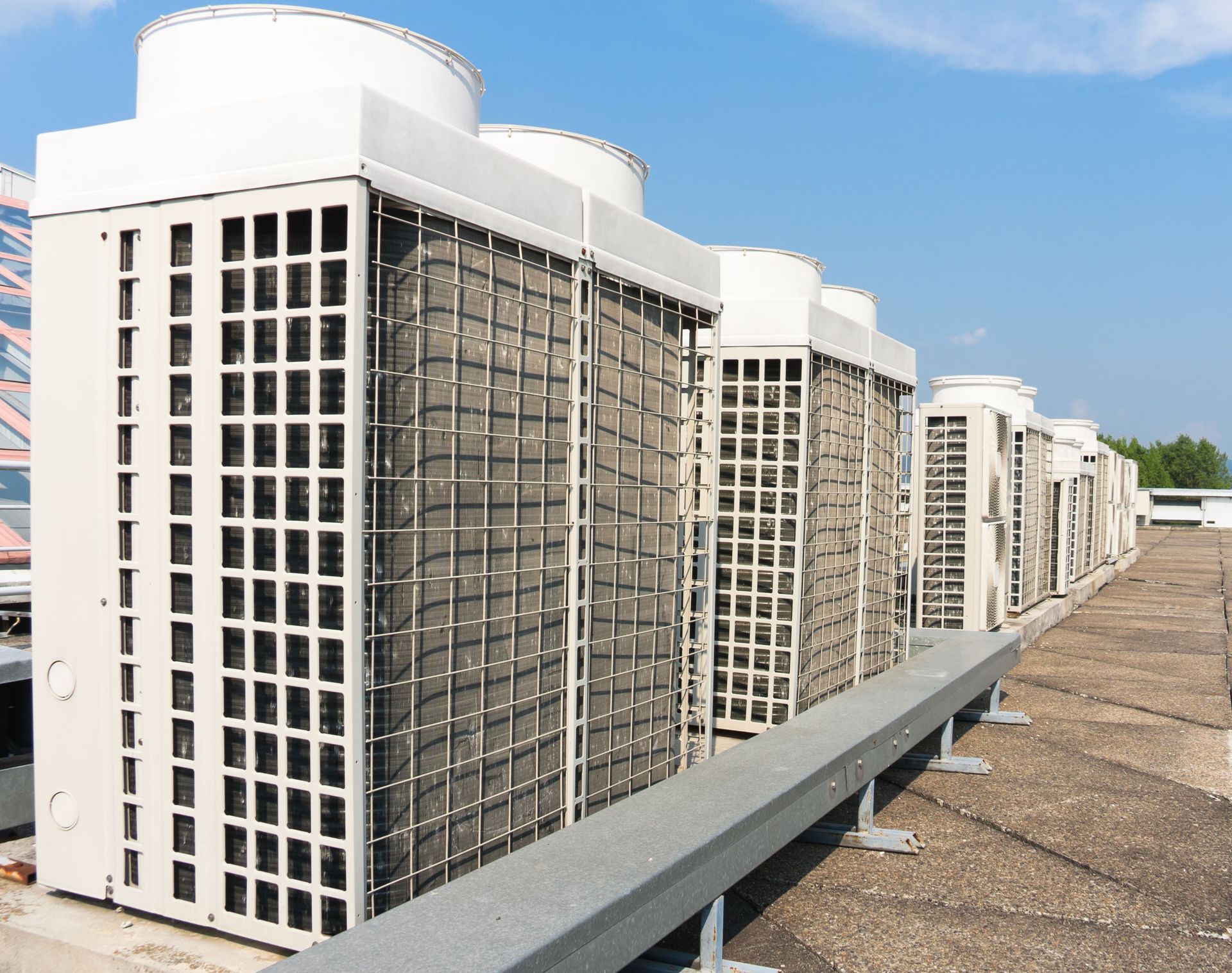
Among today’s leading commercial technologies, VRF systems have gained significant attention for their ability to serve a wide range of facilities with precision and efficiency. From office buildings and healthcare facilities to educational campuses and retail spaces, these solutions address many of the challenges associated with traditional heating and cooling equipment. Their growing popularity reflects a broader shift toward smarter building management that balances comfort, sustainability, and operational performance.
1. Delivering Greater Energy Efficiency
Energy performance remains one of the primary concerns for commercial property owners. Heating and cooling systems often represent a substantial portion of a building’s utility consumption, making efficiency improvements especially valuable over the life of the property. Modern climate control technologies are designed to deliver conditioning only where it is needed rather than operating at full capacity throughout the entire building.
This targeted approach allows VRF systems to respond to changing occupancy patterns and varying environmental conditions without wasting energy. Individual spaces can receive customized conditioning while unused areas require minimal output, creating a more balanced and efficient operation.
Growing market trends further demonstrate this movement toward sustainable construction. According to Future Market Insights, more than 80% of newly constructed commercial buildings across North America now incorporate energy-efficient HVAC solutions, while corporate organizations continue providing much of the investment supporting green building initiatives. This widespread adoption highlights the increasing value placed on technologies that help improve long-term building performance.
2. Reducing Long-Term Operating Costs
Every commercial property owner seeks equipment that provides dependable performance while helping control ongoing expenses. Although installation decisions involve careful planning, long-term operating costs often play an even greater role in determining overall value.
Efficient operation can reduce unnecessary energy consumption while limiting wear on major mechanical components. Systems that operate more precisely often avoid excessive cycling, which may contribute to improved reliability over time. Fewer unexpected disruptions also help businesses maintain normal operations with less inconvenience.
Another important consideration involves maintenance planning. Modern equipment is often designed with advanced monitoring capabilities that support proactive service strategies rather than reactive repairs. Addressing small concerns before they become larger problems helps preserve performance and reduce costly interruptions.
3. Enhancing Indoor Comfort
Comfort expectations continue to increase across nearly every commercial environment. Employees want productive workspaces, customers appreciate pleasant shopping experiences, and tenants expect consistent temperatures throughout occupied areas. Achieving those goals becomes more difficult when a single system must serve spaces with very different heating and cooling demands.
Because VRF systems provide individualized temperature control across multiple zones, different areas can maintain conditions that better match their specific needs. Conference rooms, private offices, open workspaces, and customer areas frequently experience different occupancy levels throughout the day. Independent control helps accommodate those changing conditions more effectively than traditional approaches.
Improved comfort may also contribute to better productivity and satisfaction. Stable indoor temperatures create environments where employees can focus more easily while visitors enjoy a more welcoming experience. These benefits extend beyond convenience by supporting the overall function and reputation of a commercial property.
4. Supporting Flexible Building Design
Modern commercial architecture frequently emphasizes flexibility. Buildings often include a variety of layouts, changing tenant requirements, and future renovation plans that require adaptable mechanical systems capable of evolving alongside the property.
Design flexibility allows engineers and building owners to integrate heating and cooling equipment into spaces with fewer limitations. Equipment configurations can often accommodate diverse floor plans while serving multiple interior zones with greater precision.
For expanding businesses, adaptability becomes especially valuable. As organizations grow, office layouts may change, departments may relocate, and new spaces may be added. VRF systems provide options that support these evolving requirements while helping maintain consistent performance across the building.
This flexibility also benefits mixed-use developments where offices, retail spaces, hospitality areas, or residential units may exist within the same property. Different occupants frequently have unique comfort preferences, making individualized climate management an important advantage.
5. Promoting Environmental Responsibility
Sustainability has become an important priority for businesses seeking to reduce environmental impact while improving operational efficiency. Many organizations now include environmental performance among their long-term strategic objectives, making building systems an essential part of those efforts.
Choosing VRF systems aligns with those goals by emphasizing efficient operation and thoughtful energy management. Lower energy demand contributes to reduced resource consumption while supporting broader sustainability initiatives across commercial properties.
Many organizations also pursue green building certifications or corporate environmental commitments that encourage investment in advanced mechanical technologies. Efficient climate control equipment can complement those objectives by supporting responsible building practices throughout the property’s life cycle.
Beyond regulatory considerations, environmental stewardship often enhances public perception. Customers, tenants, investors, and employees increasingly appreciate organizations that demonstrate a commitment to responsible resource management through practical operational improvements.
6. Simplifying Facility Management
Managing commercial buildings involves balancing numerous operational priorities, from occupant comfort to maintenance scheduling and budget planning. Technologies that simplify day-to-day management provide valuable advantages for facility teams responsible for maintaining reliable building performance.
Advanced controls allow operators to monitor system performance, respond to changing building conditions, and make informed operational adjustments. Better visibility into equipment operation supports more efficient decision-making while helping identify developing concerns before they affect occupants.
Because VRF systems offer precise zoning capabilities, facility managers can adjust conditions within individual spaces without unnecessarily affecting the remainder of the building. This flexibility supports efficient daily operations while improving responsiveness to occupant requests.
Coordinated system management also contributes to stronger planning. Maintenance activities, performance evaluations, and operational adjustments become more organized when building teams have access to detailed system information that supports proactive management strategies.
7. Increasing Long-Term Property Value
Commercial property decisions often extend well beyond immediate operating needs. Owners frequently evaluate improvements based on how they influence long-term asset performance, tenant appeal, and future market competitiveness.
Modern heating and cooling technologies represent meaningful investments because they contribute to the overall functionality of a building. Prospective tenants and buyers commonly appreciate properties equipped with efficient infrastructure that supports dependable comfort while reducing operational complexity.
Installing VRF systems may also position commercial buildings to adapt more effectively to future expectations. As efficiency standards continue evolving and businesses place greater emphasis on sustainable operations, properties with modern mechanical systems often remain competitive within changing markets.
Well-maintained building infrastructure demonstrates careful ownership and thoughtful long-term planning. These qualities can strengthen confidence among investors, tenants, and stakeholders while supporting the property’s overall market appeal.
Commercial buildings continue to face increasing demands for efficiency, flexibility, occupant comfort, and sustainable performance. Meeting those expectations requires thoughtful planning and carefully selected mechanical solutions capable of supporting both present operations and future growth. The advantages discussed throughout this article illustrate why VRF systems continue gaining momentum across a wide variety of commercial applications.
Selecting the right HVAC solution requires professional evaluation based on a building’s layout, operational goals, and long-term objectives. If your organization is considering an advanced commercial climate control solution, contact us at Jamrog HVAC & Plumbing to discuss how our experienced team can help identify the best approach for your property’s unique needs.