November 10, 2026
Maintaining a comfortable home throughout the year doesn't have to mean relying on separate heating and cooling systems that consume substantial energy. Heat pumps offer homeowners an efficient alternative by providing both heating and cooling through one versatile system. When temperatures are dropping during winter, these systems help maintain comfortable indoor conditions while supporting better energy efficiency. Let's learn more about how heat pumps work!
Understand How Heat Pumps Work
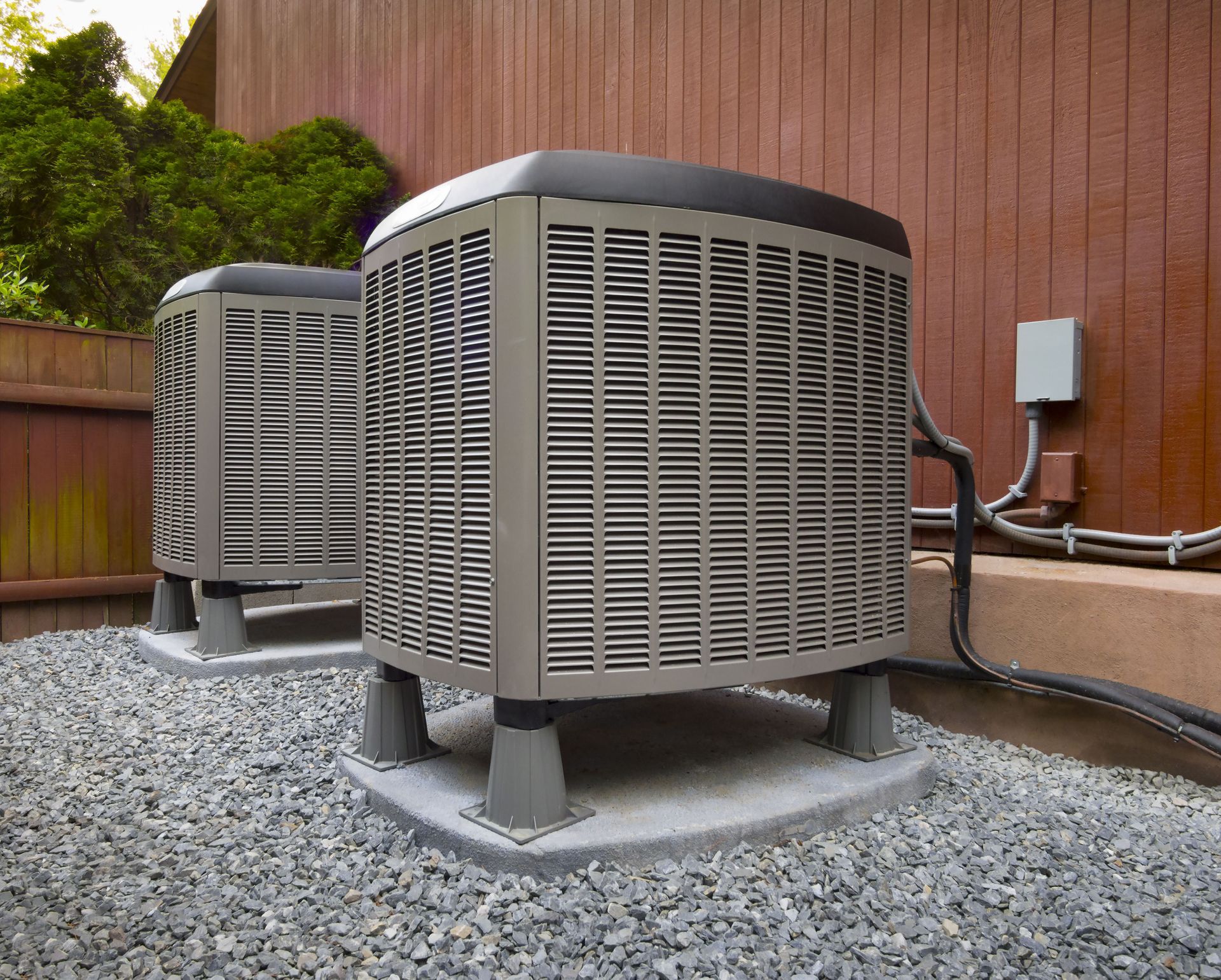
Unlike traditional furnaces and air conditioners that generate heat or remove it through different processes, heat pumps transfer thermal energy from one location to another. During warmer months, a heat pump moves heat from inside the home to the outdoors, helping maintain cooler indoor temperatures. When outdoor temperatures drop, the system reverses its operation and extracts available heat from the outside air before transferring it indoors.
This process allows one system to handle two important household comfort needs. Because heat pumps move existing heat rather than generating it through combustion or electrical resistance, they can provide heating and cooling with less energy under appropriate operating conditions.
A residential HVAC company can help homeowners understand how this technology works and determine which system configuration is appropriate for their properties. Factors such as square footage, insulation, climate, and existing ductwork all influence equipment selection.
Enjoy Lower Energy Consumption Throughout the Year
Energy efficiency is one of the biggest reasons homeowners consider installing heat pumps. Traditional electric resistance heating systems generate warmth by passing electricity through heating elements. Heat pumps use a different approach, transferring heat rather than producing it directly. This allows them to deliver more heating energy relative to the electricity they consume.
According to This Old House, a typical heat pump uses between 40% and 60% less electricity than a traditional electric resistance heater of the same capacity, which can lower your home's energy costs. Actual savings depend on factors such as outdoor temperatures, electricity rates, system efficiency, and household heating habits.
For homeowners looking to improve energy performance, replacing an older heating system with an appropriately sized heat pump may offer meaningful long-term benefits. A residential HVAC company can evaluate existing equipment and discuss whether upgrading could help reduce household energy consumption.
Maintain Comfortable Temperatures During Every Season
One of the most appealing features of heat pumps is their ability to provide year-round comfort. Homeowners do not need to rely on separate equipment for heating and cooling when a properly configured heat pump can handle both functions. This versatility can simplify household HVAC systems while providing consistent temperature control throughout changing seasons.
During summer, heat pumps operate similarly to conventional air conditioners by removing indoor heat and releasing it outside. During winter, the refrigeration cycle reverses to bring available outdoor heat indoors. Modern systems can continue providing warmth even when outdoor temperatures become quite cold, although performance varies depending on the equipment and climate.
Homeowners in colder regions may benefit from a cold-climate heat pump or a supplemental heating arrangement. An HVAC professional can evaluate local weather conditions and recommend equipment designed to meet the home's heating demands.
Improve Comfort With Zoned Temperature Control
Traditional central HVAC systems often distribute conditioned air throughout the home using a shared thermostat. However, different rooms may have different heating and cooling needs. Upstairs bedrooms, finished basements, sunrooms, and additions can experience noticeable temperature differences because of their locations, insulation, and exposure to sunlight.
Heat pump systems offer zoning capabilities that allow homeowners to control temperatures in separate areas. Ductless mini-split systems are especially useful for this purpose because individual indoor units can operate independently. This means family members can adjust comfort settings in frequently occupied rooms without necessarily conditioning the entire house to the same temperature.
Zoned heating and cooling can also help reduce unnecessary energy consumption when certain areas are not being used. Proper system design is important, since equipment capacity and indoor unit placement influence how effectively each zone performs.
Reduce Your Home's Environmental Impact
Home heating and cooling account for a significant portion of residential energy consumption. Choosing more efficient equipment can help homeowners reduce the electricity required to maintain comfortable indoor temperatures. Heat pumps offer an alternative to some traditional heating systems by transferring thermal energy instead of relying exclusively on fuel combustion or electric resistance heating.
For homes currently using oil, propane, or natural gas heating, switching to an electric heat pump may also reduce direct on-site emissions. The overall environmental impact depends on the electricity source, equipment efficiency, and how the system is used.
Homeowners interested in making their properties more energy-conscious can consider heat pumps alongside other improvements, such as better insulation, air sealing, and energy-efficient windows. Addressing the building envelope helps prevent conditioned air from escaping and allows HVAC equipment to operate more effectively.
Choose the Right Heat Pump Size for Your Property
Choosing appropriately sized equipment is essential for achieving reliable performance. A heat pump that is too small may struggle to maintain comfortable temperatures during periods of extreme weather. An oversized system can cycle on and off too frequently, potentially reducing efficiency and creating inconsistent indoor conditions.
Professional HVAC contractors use information about a home's square footage, insulation levels, window placement, ceiling heights, and local climate to determine the appropriate equipment capacity. A detailed load calculation provides a more accurate recommendation than choosing a system based on square footage alone.
Proper sizing also helps homeowners avoid unnecessary equipment expenses. Rather than purchasing a larger unit in the hope of improving performance, it is better to select a system designed around the property's actual heating and cooling requirements.
Protect Performance With Routine Heat Pump Maintenance
Like other residential HVAC equipment, heat pumps require regular maintenance to operate reliably. Dust, dirt, restricted airflow, and worn components can affect system performance over time. Routine inspections help identify developing problems before they lead to unexpected breakdowns or reduced efficiency.
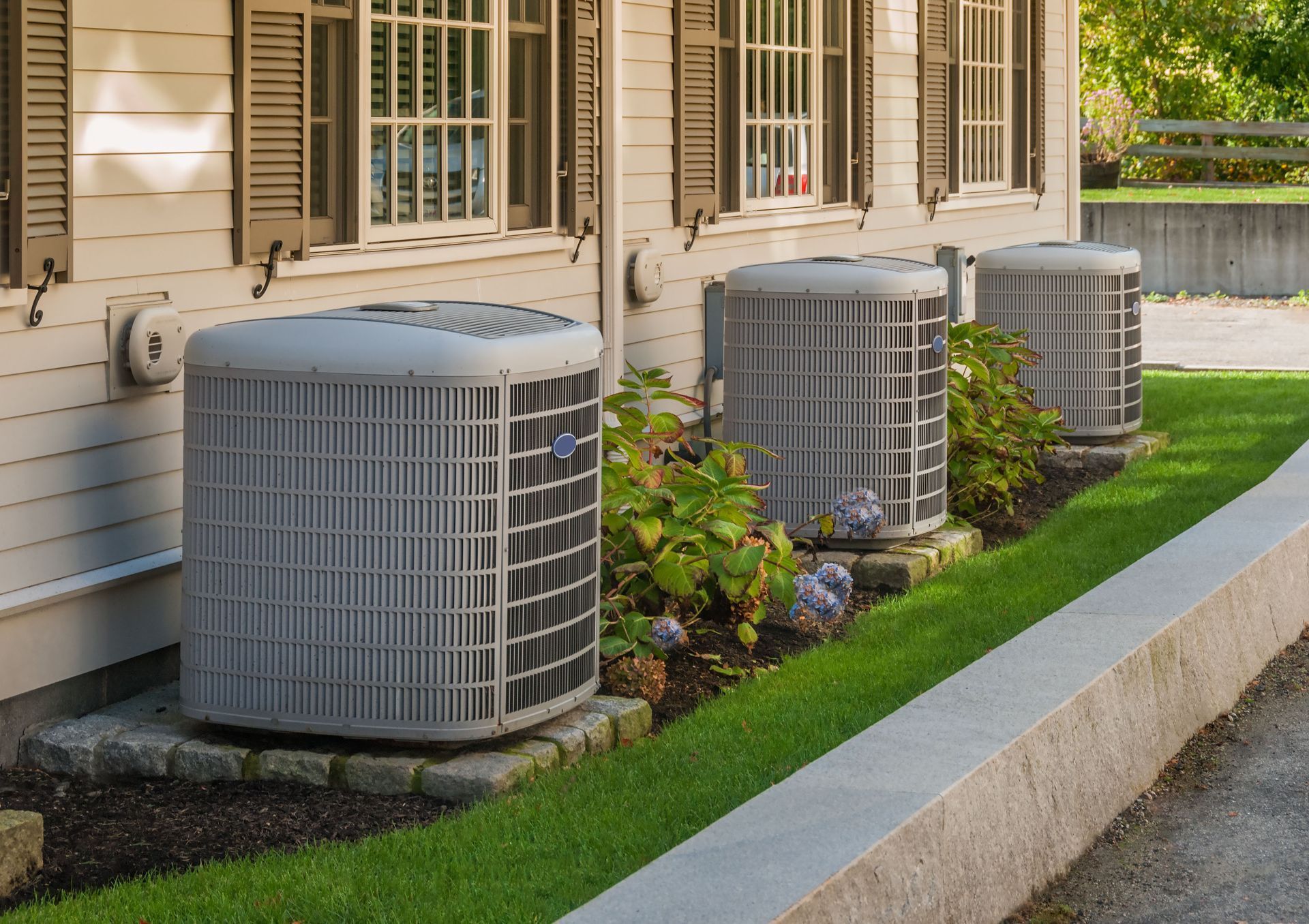
Homeowners should keep the outdoor unit clear of leaves, branches, and other debris that could interfere with airflow. Indoor filters should also be checked and replaced or cleaned according to manufacturer recommendations. Maintaining unobstructed airflow helps the equipment operate without unnecessary strain.
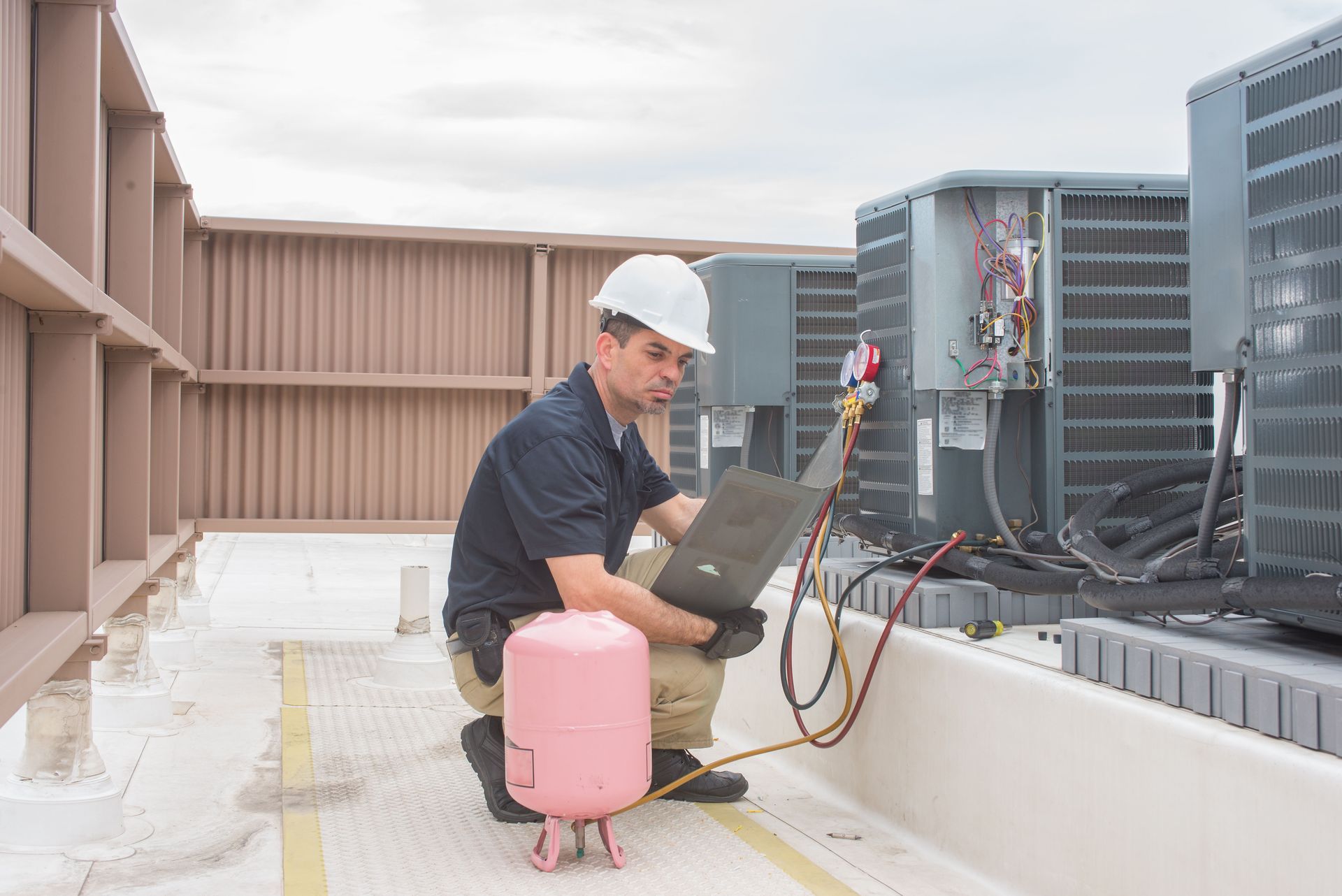
Professional maintenance typically involves inspecting electrical connections, checking refrigerant-related components, evaluating airflow, cleaning accessible equipment components, and testing system operation. Because heat pumps provide heating and cooling, scheduling service before periods of heavy seasonal use can help prepare the system for changing temperatures.
Working with a residential HVAC company for routine maintenance can also help homeowners understand their equipment's condition and address performance concerns promptly.
Work With an Experienced Residential HVAC Company
Installing a heat pump involves more than selecting equipment and connecting it to a home's electrical system. Proper installation requires careful planning, equipment sizing, refrigerant line connections, electrical considerations, and airflow adjustments. These details influence how effectively the system performs and how long it lasts.
An experienced HVAC contractor can evaluate the home, discuss available equipment, and explain the differences between various heat pump options. Professional installation also helps ensure that the system follows manufacturer specifications and applicable building requirements.
Homeowners should look for a company that can explain its recommendations, answer questions about operating costs, and provide ongoing maintenance support. Establishing a relationship with a dependable HVAC provider can make it easier to maintain system performance and address future comfort needs.
Heat pumps offer homeowners an opportunity to enjoy dependable heating and cooling while improving household energy efficiency. Our team at Jamrog HVAC & Plumbing provides residential and commercial HVAC services to Western Massachusetts, Southern Vermont, New Hampshire, and the surrounding areas. Request a free quote today!