Whether managing a busy strip of boutique retail shops or designing a spacious multi-level estate, indoor temperature regulation often feels like an uphill battle. Corner suites with expansive south-facing display glass bake under the afternoon sun, while shaded back offices and basement storage rooms remain chilly and damp. Traditional packaged rooftop units have long served as the default answer for commercial complexes and expansive buildings, but their bulk and all-or-nothing approach reveal major limitations in modern spaces. Pushing conditioned air through lengthy sheet metal duct runs often produces uneven rooms, noisy blower drafts, and soaring utility bills that strain operational margins.
Modern architectural spaces demand heating and cooling solutions that adapt in real time to shifting occupancy, solar gains, and varied comfort preferences across different rooms. Variable refrigerant flow technology has quickly evolved into the leading comfort design for architects, facility managers, and luxury property owners seeking total thermal precision.
According to Fortune Business Insights, the global variable refrigerant flow (VRF) system market is projected to grow from $17.70 billion in 2021 to $28.46 billion in 2028 at a CAGR of 7.02%. Switching over to multi-zone VRF systems allows property managers and homeowners to bypass the inefficiencies of traditional rooftop units, unlocking personalized temperature control, silent indoor operation, and remarkable energy savings throughout the entire year.
Regulating Independent Temperature Zones Across Distinct Living Spaces
Traditional rooftop units operate on a centralized mindset, reading air temperatures from a single thermostat stationed in a main hallway. When that single sensor calls for cooling, the rooftop blower blasts cold air across every connected branch, quiet storage areas, while sunny retail display floors remain uncomfortably warm. Trying to balance varied thermal comfort levels across multiple retail tenants or sprawling residential wings using basic motorized duct dampers frequently leads to mechanical strain, whistling grilles, and frustrated occupants.
Adopting advanced VRF systems solves this challenge by assigning dedicated, independently controlled indoor air handlers to distinct architectural zones. Each individual cassette, concealed ceiling unit, or wall-mounted console monitors its own room temperature, modulating refrigerant delivery to match local heat loads. A boutique retail storefront can keep dressing rooms cozy and inviting while lowering temperatures around illuminated display cases, and large households can cool sunlit living rooms while keeping second-story nurseries comfortably warm. Independent zoning gives occupants total control over their personal environment without disrupting comfort across adjacent rooms.
Modulating Compressor Output to Slash Monthly Utility Overhead
Standard packaged rooftop units rely on single-stage or two-stage compressors that cycle completely on or off at full blast. This constant cycling creates intense electrical power spikes every time the motor restarts, burning significant electricity while causing noticeable indoor temperature swings. When an outdoor rooftop unit runs at maximum capacity just to cool a single warm conference room on a mild spring afternoon, tremendous amounts of energy are wasted through excessive mechanical operation.
Investing in variable capacity VRF systems eliminates the energy waste associated with traditional cycling equipment. Inverter-driven compressors adjust their operating speeds in small increments, matching refrigerant circulation to the exact thermal demand across all active indoor zones. By running continuously at lower, modulated speeds, these assemblies maintain consistent indoor temperatures while consuming a fraction of the electricity required by standard rooftop equipment. Lower electrical consumption reduces monthly utility overhead, softens wear on mechanical parts, and significantly lowers the operational carbon footprint of your property.
Recovering Thermal Energy Through Simultaneous Heating and Cooling
One of the most remarkable technical advantages of advanced heat recovery equipment is the ability to heat one space while simultaneously cooling another using the same mechanical loop. In retail plazas, medical offices, and large homes, northern rooms often require gentle morning heating while server rooms or south-facing living areas demand active cooling. A standard rooftop unit can only deliver one mode at a time to the entire building, forcing some occupants to endure uncomfortable conditions.
Installing heat recovery VRF systems allows your building to capture waste heat extracted from cooling zones and redirect it directly to areas calling for warmth. Rather than expelling captured indoor heat to the outdoor atmosphere through a rooftop condenser, the system transfers that thermal energy through copper piping to cooler perimeter rooms or private offices. This internal energy redistribution dramatically reduces the workload placed on the outdoor compressor, delivering exceptional seasonal efficiency and uninterrupted comfort throughout changing seasons.
Eliminating Bulky Sheet Metal Ducts to Reclaim Usable Space
Rooftop equipment requires massive networks of sheet metal ductwork, turning vanes, and exterior roof penetrations to circulate high volumes of air throughout a structure. In historic retail buildings and modern custom homes, accommodating bulky supply and return ducts requires dropping ceiling heights, building awkward drywall soffits, and sacrificing valuable storage closets. Furthermore, leaky or poorly insulated duct runs running through unconditioned attic spaces can lose up to thirty percent of conditioned air before it ever reaches a room.
Switching to ductless or compact ducted VRF systems frees up interior architectural volume by moving conditioned refrigerant through small, flexible copper line sets rather than bulky sheet metal trunks. Thin refrigerant pipes fit easily inside standard wall cavities, above architectural ceiling tiles, or through narrow crawl spaces without requiring major structural modifications. Preserving high ceilings and open sightlines enhances natural light in retail showrooms, while eliminating sprawling attic ductwork stops conditioned air leaks and improves overall indoor air quality.
Minimizing Roof Loads and Eliminating Weather-Related Structural Penetrations
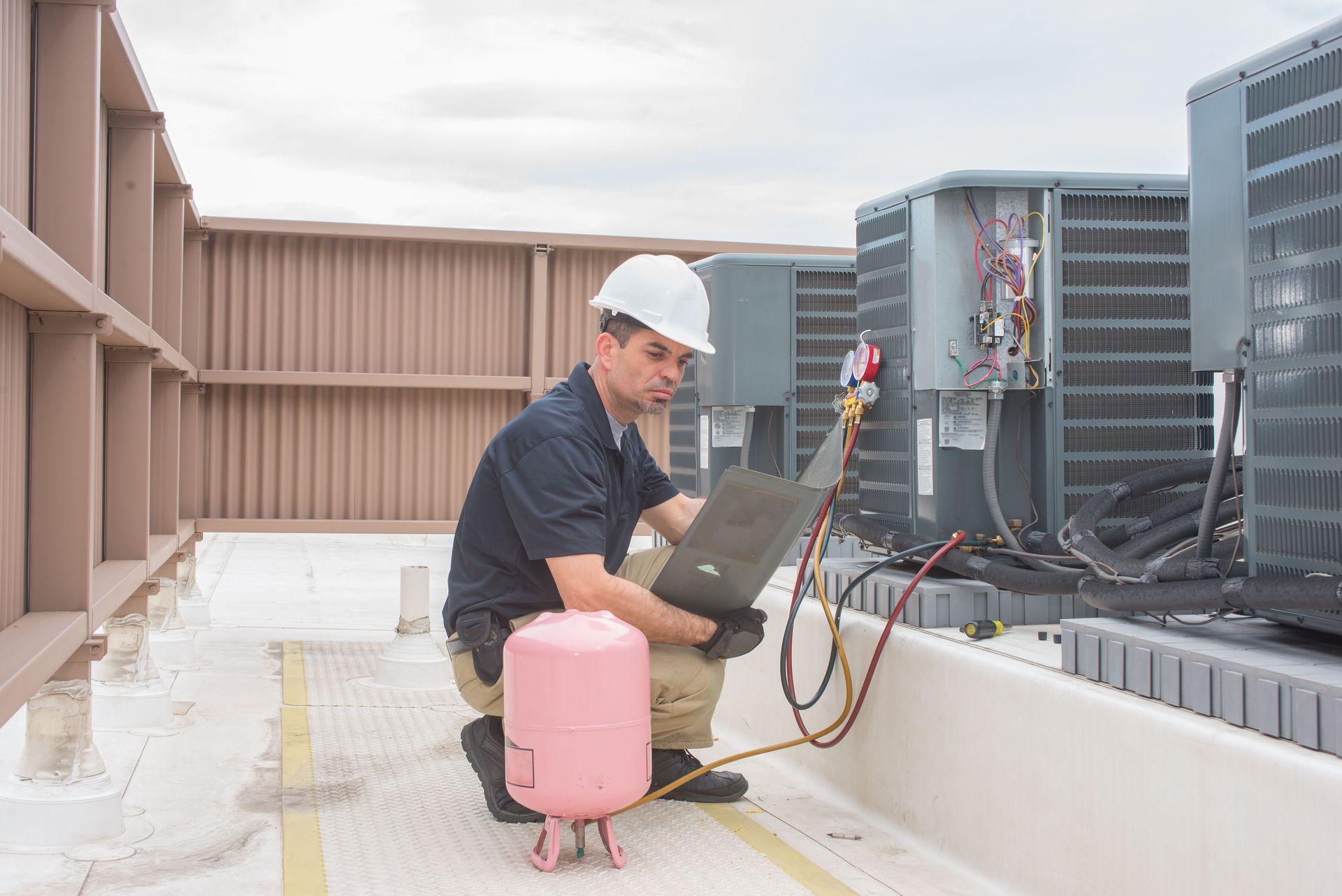
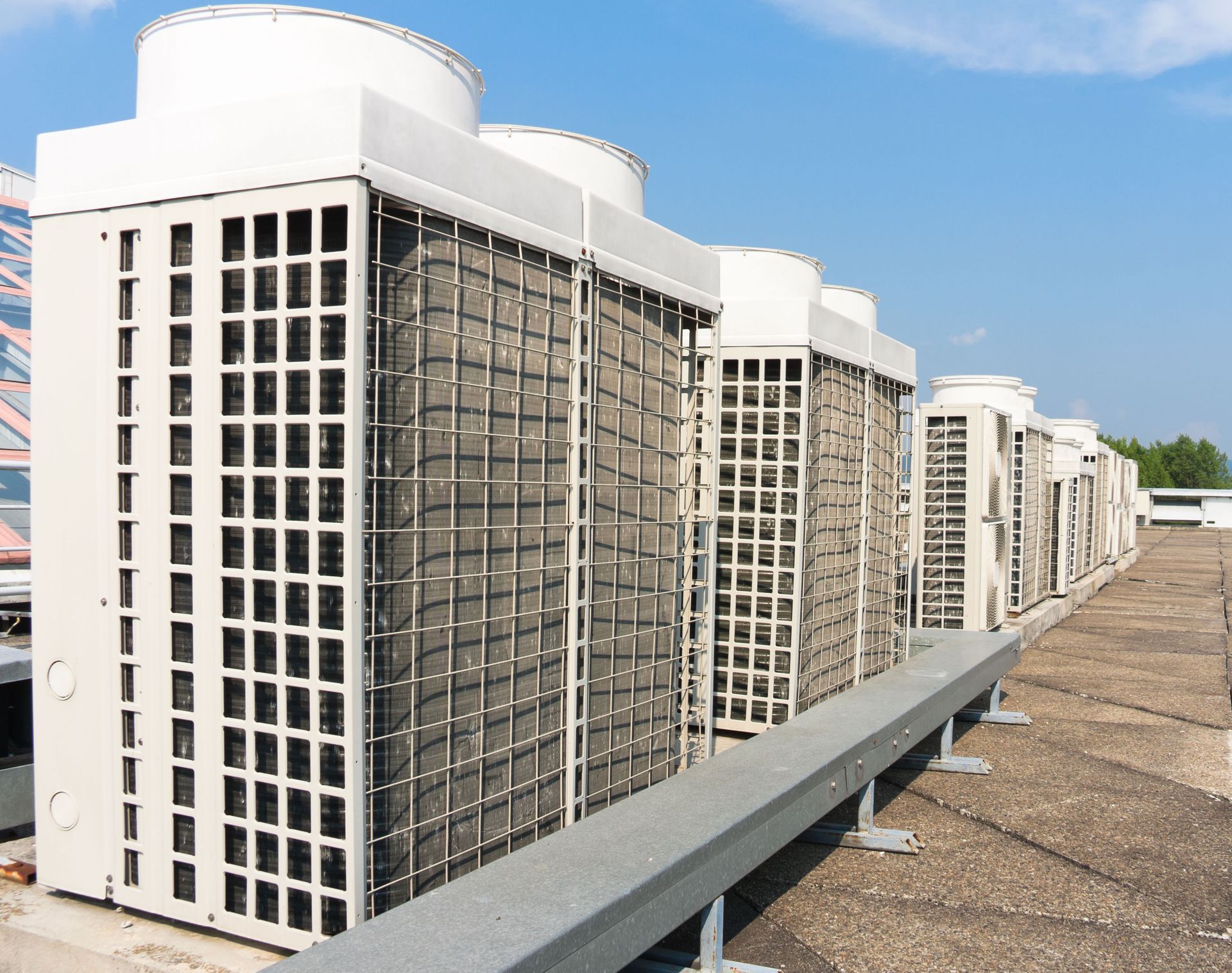
Mounting heavy, multi-ton packaged heating and cooling units directly onto a flat commercial roof places substantial structural loads on building trusses and decking. Over years of service, rooftop units vibrate against structural curbs, increasing the likelihood of roofing membrane tears, standing puddle leaks, and expensive structural water damage. Furthermore, performing routine maintenance on a slippery, exposed rooftop in freezing winter winds or intense summer heat complicates technician access and drives up labor expenses.
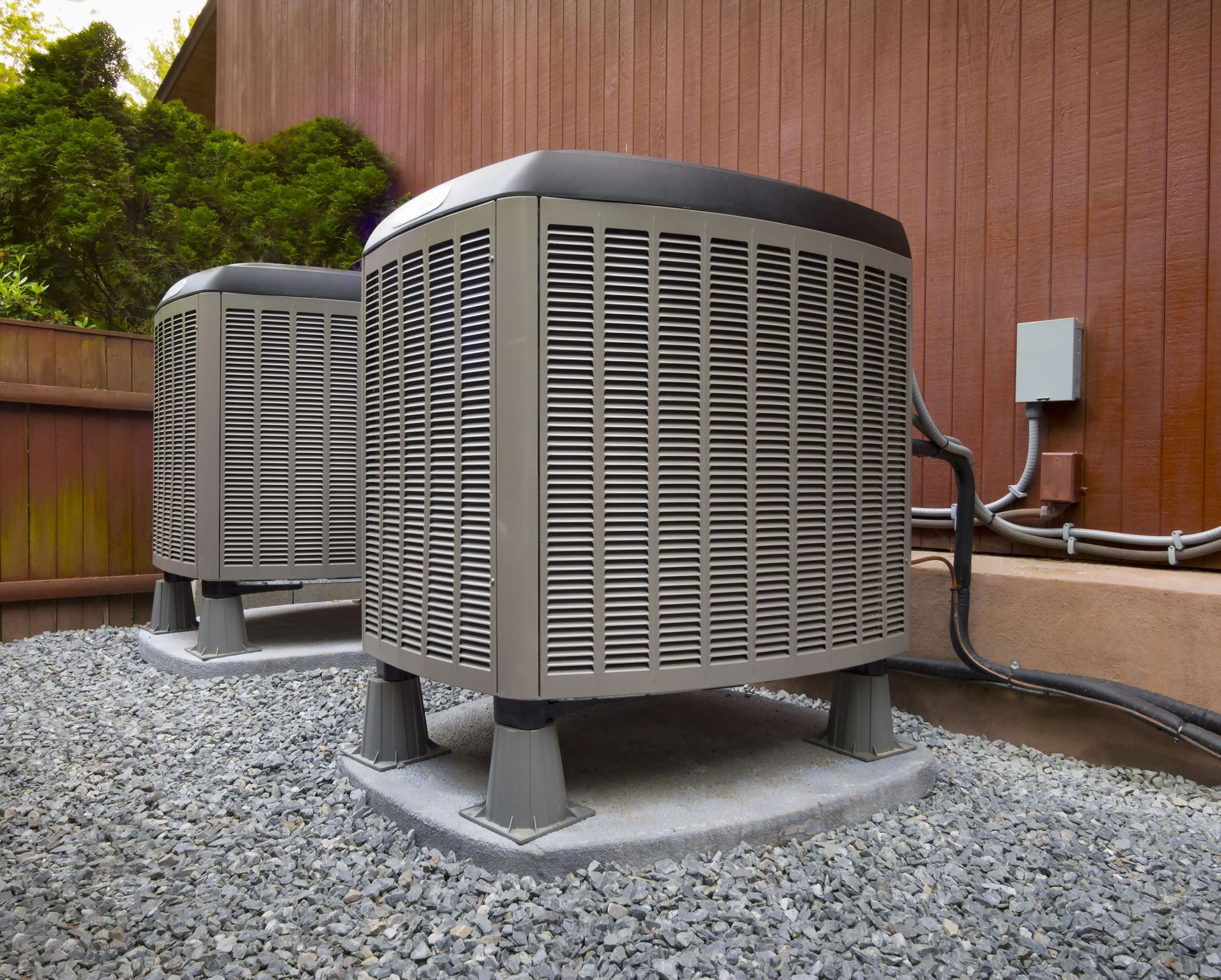
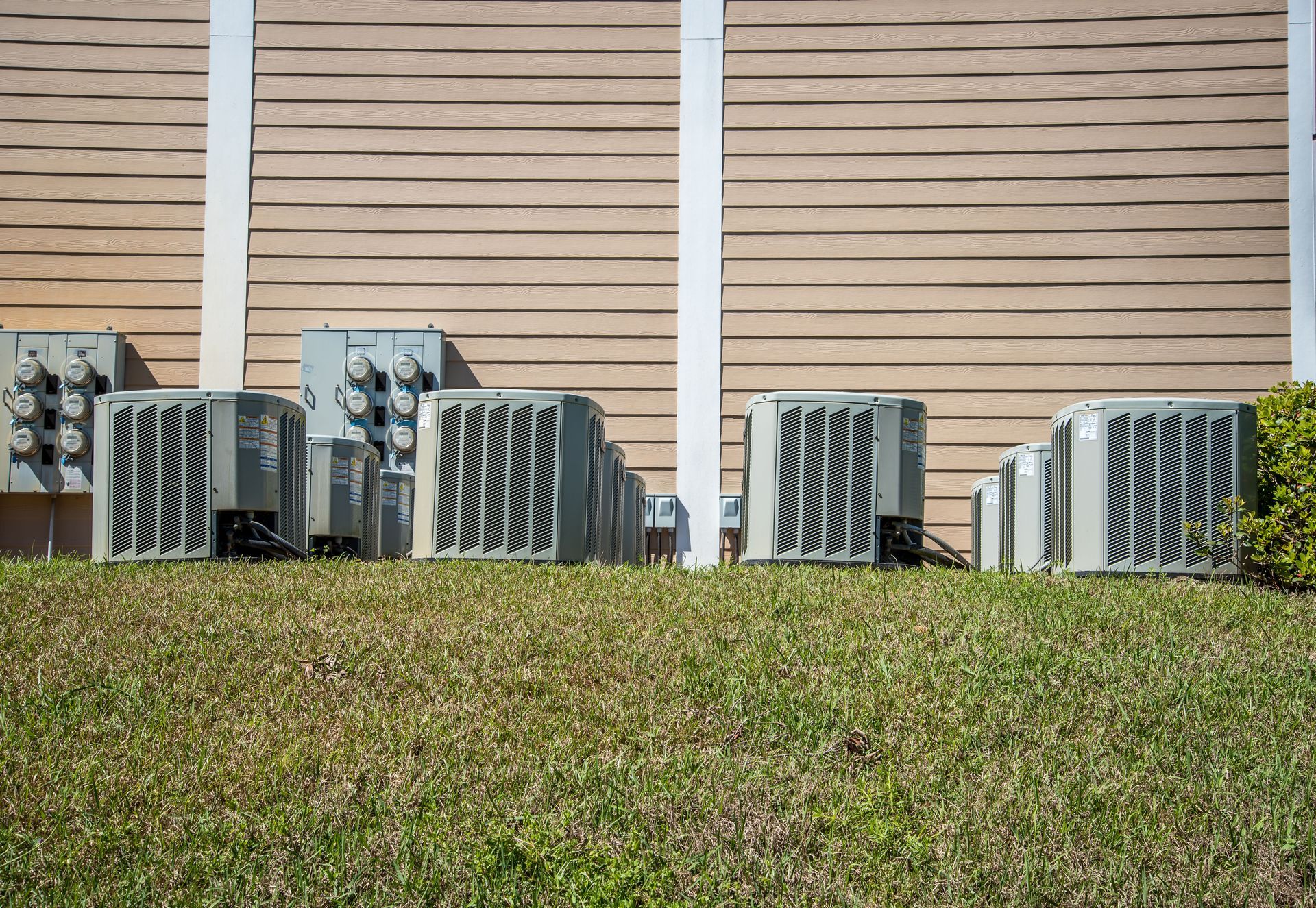
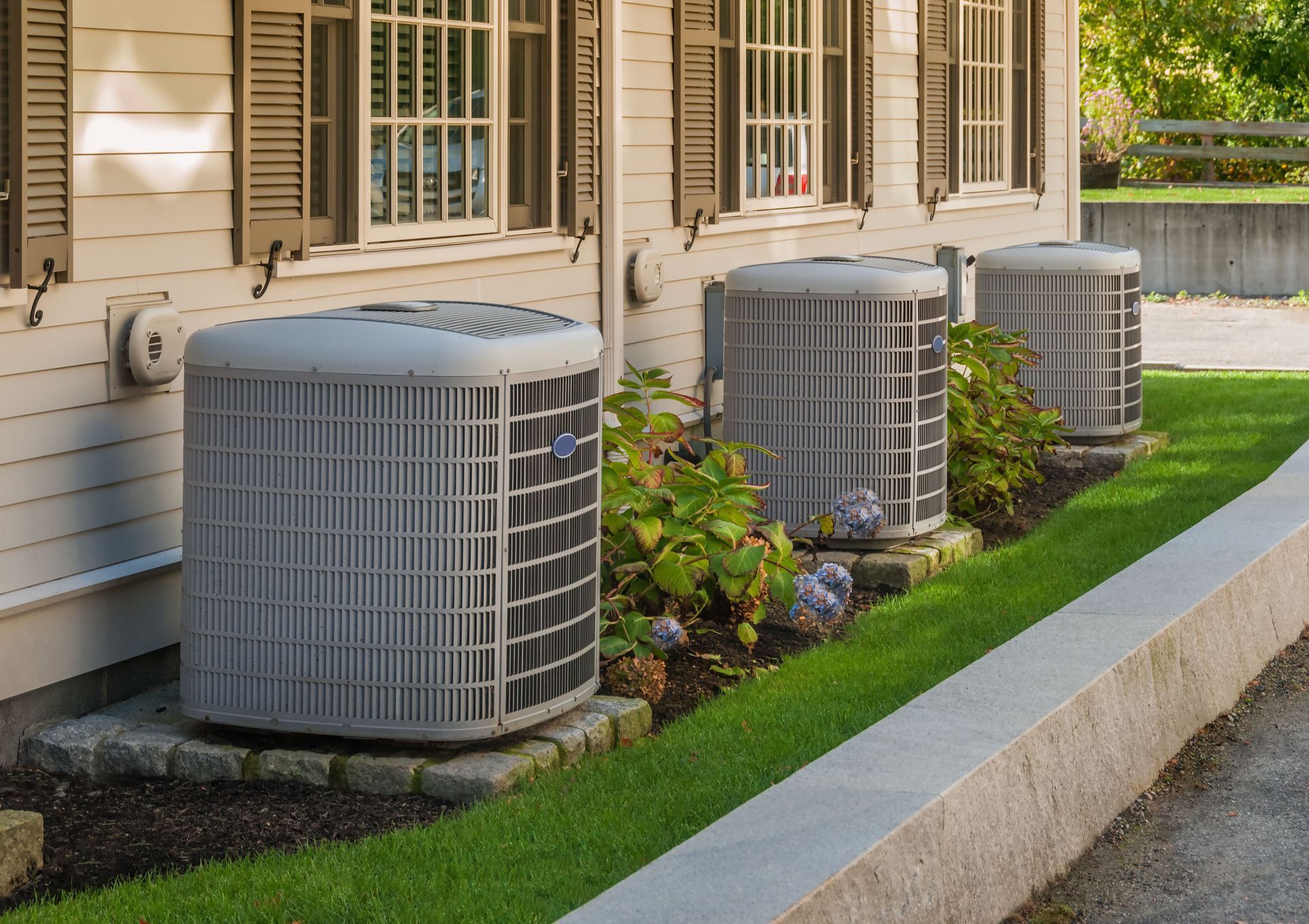
Transitioning to flexible VRF systems protects your roof by allowing modular outdoor condensing units to be installed at ground level, on service balconies, or tucked discreetly into landscaped side yards. Removing bulky mechanical equipment from your roof eliminates heavy structural stress, reduces the need for expensive structural crane rentals during installation, and minimizes vulnerable roof penetrations. Ground-level equipment placement makes seasonal filter inspections, coil cleanings, and diagnostic checks faster, safer, and far more cost-effective for service crews.
Sustaining Dependable Heating Across Freezing Winter Climates
Older heat pump designs often struggled when outdoor temperatures dropped below freezing, losing heating capacity and forcing facilities to rely on expensive electric resistance heat or fossil fuel backups. Today's commercial property managers and homeowners in northern climates need cooling and heating infrastructure that delivers robust thermal output even during sub-zero winter blizzards.
Modern cold-climate VRF systems feature advanced vapor injection compressors and low-ambient heating technology that extract usable heat from outdoor air down to negative twenty degrees. These high-performance units maintain full heating capacity without requiring supplemental fossil fuel burners, providing dependable winter warmth and steady indoor comfort throughout long cold snaps.
Eliminating bulky ductwork, reducing structural roof strain, and leveraging simultaneous heat recovery transforms your indoor climate into an asset that enhances daily comfort while lowering operating costs. When you are ready to modernize your heating and cooling equipment with tailored engineering, certified installations, and dependable service, reach out to Jamrog HVAC & Plumbing to discover how your property can thrive with premium
VRF systems!